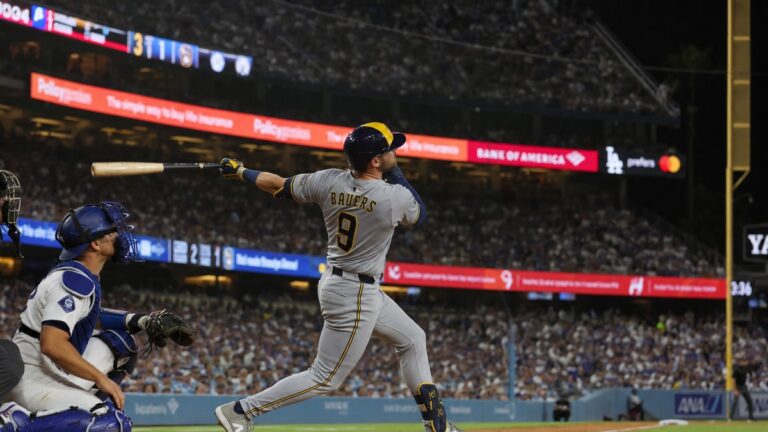
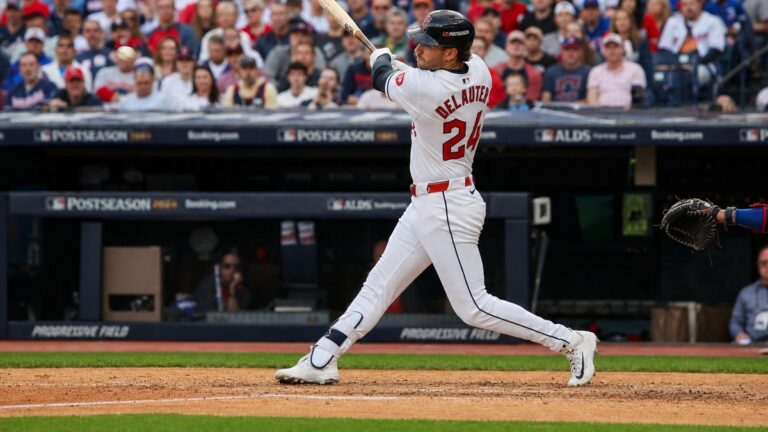
A year after Cleveland Guardians closer Emmanuel Clase and teammate Luis Ortiz were indicted in a pitch-rigging scheme that rocked Major League Baseball, a recent anonymous player survey shows the league’s locker rooms remain divided on whether MLB has done enough to keep gamblers away from its athletes. In The Athletic’s annual player poll, which surveyed 100 players across 23 teams this spring, 55 said the league has given the issue enough attention and resources, 27 had no strong opinion or felt unqualified to answer, and 18 said MLB’s safeguards still fall short.
The scandal itself is still working its way through federal court. Clase and Ortiz, both charged with wire fraud conspiracy, honest services wire fraud conspiracy, conspiracy to influence sporting contests through bribery, and money laundering conspiracy, have pleaded not guilty and are scheduled to stand trial together beginning November 2, after a judge pushed the original date back six months. Prosecutors allege the pair conspired with bettors from their native Dominican Republic to rig the outcome or speed of specific pitches, allowing gamblers to win at least $460,000 on manipulated prop bets between 2023 and 2025. Court filings from Ortiz’s attorney have since suggested Clase’s alleged involvement was far more extensive than the nine games named in the original indictment, potentially spanning as many as 48 games over 26 months — more than a quarter of the games Clase pitched in during that stretch.
What MLB Has Actually Changed
The day after the indictment became public, MLB moved with its sportsbook partners to cap wagers on pitch-level “microbetting” markets at $200 and bar those bets from being bundled into parlays. Commissioner Rob Manfred credited the industry’s cooperation in curbing what he called markets “especially susceptible to integrity issues.” The restriction targets the exact kind of bet — outcome or velocity of an individual pitch — that prosecutors say Clase and Ortiz exploited for bettors’ benefit. Beyond the wagering-market changes, MLB continues to run its standard education program: a spring training presentation to every club on Rule 21’s prohibition on betting on baseball, along with the rule posted in every clubhouse.
Where Players Still Disagree
For the majority who told The Athletic the league has done enough, the logic is straightforward. “It’s the first rule: Rule 21,” one multi-time All-Star said. “No betting on baseball.” An AL catcher echoed that players already know what’s expected of them: “We know the rules. But you have to monitor yourself as well.” A veteran NL starter pointed to the severity of the punishment as proof the message gets through: “Everyone understands it’s a lifetime ban.” Others framed Clase’s fall as a deterrent in itself, noting the league removed one of its most talented relievers to demonstrate zero tolerance regardless of stature.
Still, nearly a fifth of surveyed players weren’t satisfied, and more than a quarter either had no opinion or didn’t feel equipped to judge the league’s safeguards — numbers that suggest MLB’s messaging campaign hasn’t fully closed the gap in player confidence. That skepticism has extended beyond the clubhouse: the Senate Committee on Commerce, Science, and Transportation opened its own inquiry into MLB’s practices in the wake of the scandal, examining whether the sport’s expanding sportsbook partnerships — with FanDuel, DraftKings, and BetMGM among them — create structural risk alongside their revenue.
What Comes Next
With jury selection set for November 2, the case will keep the scandal in the headlines through the rest of the season. Clase’s camp has pushed for a swift resolution, while Ortiz’s attorneys have sought to separate the cases, arguing their client rigged only two pitches compared to the dozens allegedly tied to Clase. Whatever the trial’s outcome, the underlying tension the survey captured isn’t going away soon: as legal sportsbooks continue expanding same-game and player-prop markets, MLB’s ability to police the thinnest slices of in-game betting will remain under a microscope.
The smartest 5 minutes in betting
Get the week's best offers, line moves, and data-driven picks — straight to your inbox. No spam, unsubscribe anytime.
Join 240,000+ subscribers. 21+ only.