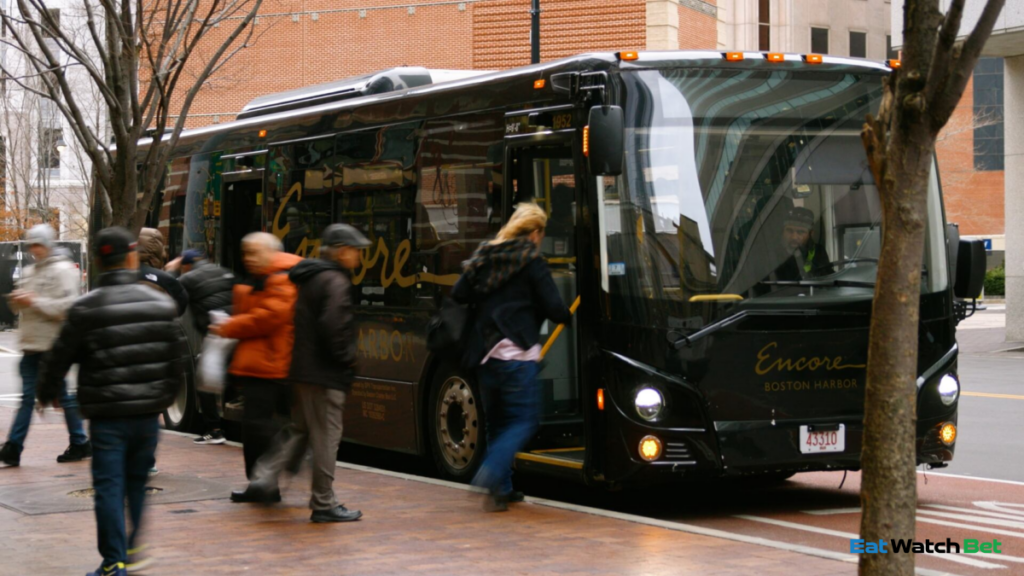
The Massachusetts Gaming Commission has posted a request for proposals for an independent audit of how the state’s casinos market to Asian communities, a move that follows Boston Globe reporting on shuttle bus routes, billboard campaigns and large loans concentrated in neighborhoods with significant Asian populations. The request went out July 1, with the commission planning to select a researcher before the study formally begins.
The Globe’s investigation documented specific tactics used in and around Boston’s Chinatown, including massive billboards promoting Hong Kong and Taiwanese pop star performances at area casinos, frequent shuttle service stopping near the Chinatown Gate, and regular direct-mail postcards sent to frequent gamblers. A Census tract analysis of the shuttle routes found that Encore and Bally’s buses disproportionately serviced neighborhoods where Asian residents make up more than 40% of the population.
Loans, Lawsuits and a Disproportionate Toll
Beyond marketing, the Globe reported that casinos extended loans exceeding six figures to some Asian patrons, then pursued hardball collection tactics once the debts went unpaid. More than 80% of people sued by Encore Boston Harbor over gambling debts since it opened in 2019 are of Asian descent, the paper found — a disparity advocates say reflects years of targeted outreach into working-class immigrant neighborhoods.
A gaming commission spokesman said the agency’s Research and Responsible Gaming Division remains “committed to advancing knowledge through its annual research agenda,” framing the audit’s goal as producing “an independent examination of how operators advertise and what role the Commission may have to regulate these practices.”
Jurisdictional Gaps Remain
The commission’s oversight has clear boundaries — it cannot regulate out-of-state operators like Bally’s, Mohegan or Foxwoods that also market into the same communities, and it has no authority over the illegal gambling dens the Globe found operating in Chinatown and Quincy. Encore has previously said its shuttle program is based on “demonstrated ridership demand” and includes responsible gambling messaging on every route. It’s not yet clear what the audit will cost or when regulators expect a completed, peer-reviewed report.
The smartest 5 minutes in betting
Get the week's best offers, line moves, and data-driven picks — straight to your inbox. No spam, unsubscribe anytime.
Join 240,000+ subscribers. 21+ only.