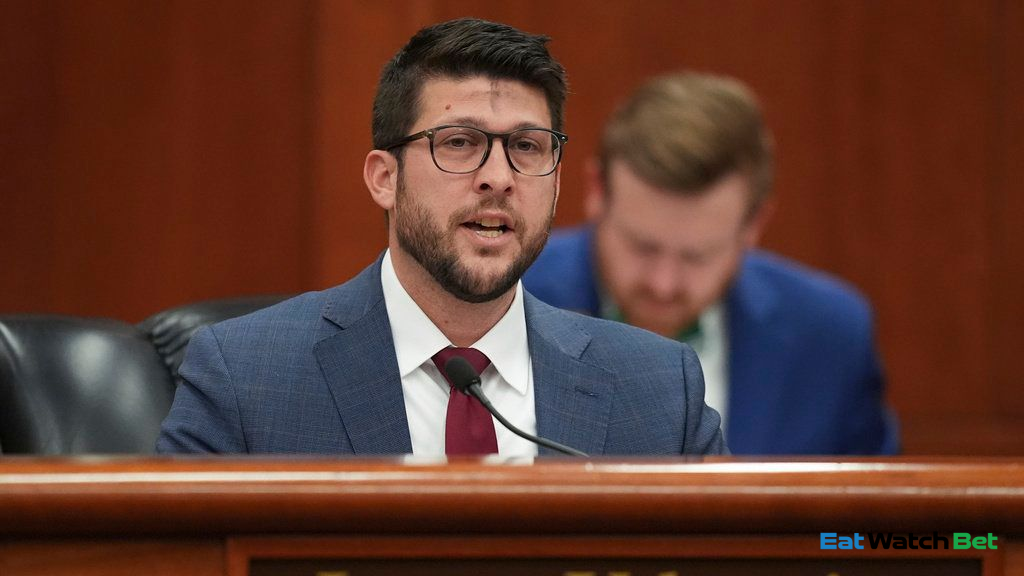
Florida Attorney General James Uthmeier has filed two lawsuits against the operators of some of the country’s most popular online sweepstakes casinos, alleging the platforms are running illegal gambling operations disguised as free-to-play social gaming. The complaints, filed in Hillsborough County Circuit Court, target Stake.us and the VGW-owned trio of Chumba Casino, LuckyLand and Global Poker, along with the payment processors that support their operations.
The move puts Florida among a growing list of states pushing back against the sweepstakes casino model, which has expanded rapidly across the U.S. in recent years by operating outside the licensing frameworks that govern traditional online casinos and sportsbooks.
What the State Is Alleging
Uthmeier’s office argues that the defendants violate both Florida’s gambling statutes and the Florida Deceptive and Unfair Trade Practices Act. “These so-called ‘sweepstakes’ and ‘social casinos’ are illegal online gambling operations,” Uthmeier said in announcing the lawsuits. “If it looks like a casino, takes real money like a casino, and pays out like a casino, it is a casino — and it is illegal under Florida law. These companies have been preying on Floridians, including minors and seniors, with deceptive marketing, and 24/7 access, while dodging our state’s licensing, taxation, and consumer-protection requirements. They must be stopped.”
Central to the state’s case is the dual-currency structure used by sweepstakes casinos. Players typically buy packages of virtual “Gold Coins,” which carry no cash value, bundled with a second currency — often called “Stake Cash” or “Sweeps Coins” — that can be wagered on casino-style games like slots, blackjack, roulette and poker. That second currency can later be redeemed for cryptocurrency, gift cards or cash after meeting minimal play-through requirements. Florida contends this structure is deliberately engineered to make real-money gambling look like a lawful promotional sweepstakes, allowing operators to market the sites as free and legal entertainment while functionally offering the same games and payout mechanics as a licensed casino.
What the Lawsuits Seek
The state is asking the court for permanent injunctions barring the defendants from operating or soliciting business from Florida residents. Beyond stopping the platforms outright, the complaints seek restitution for consumers who lost money, disgorgement of what the state calls unlawful profits, forfeiture of ill-gotten gains, civil penalties under the state’s deceptive trade practices law, and attorneys’ fees.
By naming the payment processors alongside the casino operators, Florida is also targeting the financial infrastructure that keeps these platforms running — a strategy that, if successful, could make it harder for sweepstakes casinos to process transactions in the state even if the operators themselves attempt to keep serving Florida customers.
Why This Case Matters
The lawsuits put the legality of the entire sweepstakes casino model squarely before a Florida court, which will have to determine whether platforms like Stake.us and VGW’s properties amount to prohibited gambling or fall within the bounds of a legitimate promotional sweepstakes. That distinction has become one of the most contested legal questions in the U.S. gaming industry, with several state attorneys general and legislatures scrutinizing the sector over the past year.
Sweepstakes casinos have grown into a multibillion-dollar segment by operating in states where traditional real-money online casinos remain unlicensed or unavailable, offering a workaround for players who want casino-style action without a regulated iGaming market in their state. Florida does not currently permit licensed online casino gaming, which has made it an attractive market for sweepstakes operators — and now a flashpoint for enforcement.
A ruling against the operators could reshape how sweepstakes casinos do business nationally, particularly if other states follow Florida’s lead in pursuing legal action against both operators and their payment partners. For now, players who use sweepstakes platforms should watch how the case develops, since a court order could affect access to these sites for Florida residents specifically. Anyone weighing social casinos and sportsbooks should keep an eye on how state regulators continue to treat the dual-currency model going forward, especially as more attorneys general examine whether it complies with existing gambling law.
Uthmeier’s office has not indicated a timeline for when the court might rule on the requested injunctions, and the defendants have not yet issued public responses to the specific allegations laid out in the Hillsborough County filings.
The smartest 5 minutes in betting
Get the week's best offers, line moves, and data-driven picks — straight to your inbox. No spam, unsubscribe anytime.
Join 240,000+ subscribers. 21+ only.